FREE Shipping Over $250! View Terms
Are Rawhides Bad for Dogs?
A Word from Dr. Joyce Ashamalla
Dr. Joyce Ashamalla is the managing partner at Hinsdale Animal Hospital with Kremer Veterinary Service, as well as a partner at CARE Animal Emergency Hospital. She received her BS in Animal Sciences from the University of Illinois-Champaign Urbana, where she also completed her Doctorate in Veterinary Medicine in 2007. She is AO certified, USDA-APHIS accredited and is a member of the CVMA, ISVMA, AVMA.

Dogs love to chew. Years ago, the only thing most people would give a dog to chew on was an actual bone. However, in recent years, pet owners have been given many options regarding alternative chewing products (toys) that dog owners can give their furry companions to satisfy their need to chew.
While many chew toys today are made from various types of nearly indestructible rubber, some pet owners still prefer to have their four-legged friends chew on something more "natural." Rawhides for dogs may be a more natural alternative to rubber toys, but letting them chew on it remains a controversial subject. What is rawhide anyway? Are rawhides bad for dogs? Should you consider a rawhide alternative product? Let’s start with the basics.
What Is Rawhide?
Rawhide chews for dogs are a byproduct of the leather industry. Rawhide is essentially the skin of an animal, most commonly a cow. The inner layer tends to be softer and is used for items such as rawhide dog chews.
Why Are Rawhides Bad for Dogs?
Many veterinarians and other animal health care experts have raised concerns about giving rawhide products to dogs for chewing. These professionals often suggest rawhide alternative chewing options. Here are some of the more common concerns with rawhide that should be considered.
1. Digestibility
Evidence has shown that rawhides for dogs are not easily digested. Because of the product’s curing process, the acids in a dog’s stomach do not break down the material effectively like it does food. Most dogs do not take the time to completely chew the rawhide into small chunks. Consequently, larger rawhide pieces wind up in the dog’s stomach and intestines. This can lead to vomiting, flatulence and diarrhea. Rawhide alternative products generally do not cause these problems.
2. Blockage and Obstructions
When pieces of rawhide enter the stomach and intestines of a dog, there exists the chance that it will cause a blockage or obstruction in the animal’s system. Sometimes dogs cannot pass the rawhide through the bowels and the blockage must be removed surgically. Procedures of this nature are complicated, can risk the animal’s health and certainly can be very expensive for the pet owner.
3. Potentially Toxic Chemicals in Manufacturing
Nearly all rawhide chews are made overseas and not in the United States. This is a big concern because the manufacturing process for rawhide remains mysterious, and the chemicals used in the curing process cannot safely be verified. When a dog chews on rawhide, whatever remaining chemical residue that remains in the product will be ingested into the animal. Not knowing the type or origin of these chemicals remains a great concern. With this in mind, many are hard pressed to categorize rawhides as safe dog chews.
4. Caloric Intake
Because rawhides for dogs are made from animal byproducts, they tend to be high in calorie count as opposed to rubber-based chew toys that have no calories. In addition, the makers of these products often baste rawhides in various gravies, which also adds to the caloric intake. These basting juices can also lead to gastrointestinal upset. Rawhides also come with additional calories that can often lead to weight gain. Excessive weight in dogs can be unhealthy, just as it is in humans.
Are rawhides bad for dogs? The topic remains controversial. Most veterinarians do not recommend rawhides as chew toys for dogs of any size. The potential risks far outweigh any benefits gained. Since most pet owners want to give their animals safe dog chews, we are fortunate that so many alternative products are on the market today.
The information provided on this article is for informational purposes only. The directions and suggestions are based on personal experience and research of the author and are not intended to be professional advice. Readers should use their own discretion and take appropriate precautions when attempting any activity described on this article.
More from Lifestyle

7 Beautiful U.S. Cities to Visit During Winter
Explore 7 stunning U.S. Cities that shine during the winter. From Skiing in Aspen to viewing the northern lights in Fairbanks, plan your magical getaway.

American-Made Solutions to Show Your Patriotism
WeatherTech promises quality and craftsmanship through a commitment to American-made auto, home and pet products. Discover the details behind that commitment.

Best Vehicles To Drive In the Snow
Learn which vehicles are best for driving in the snow, and find out which features are most important for winter driving safety.
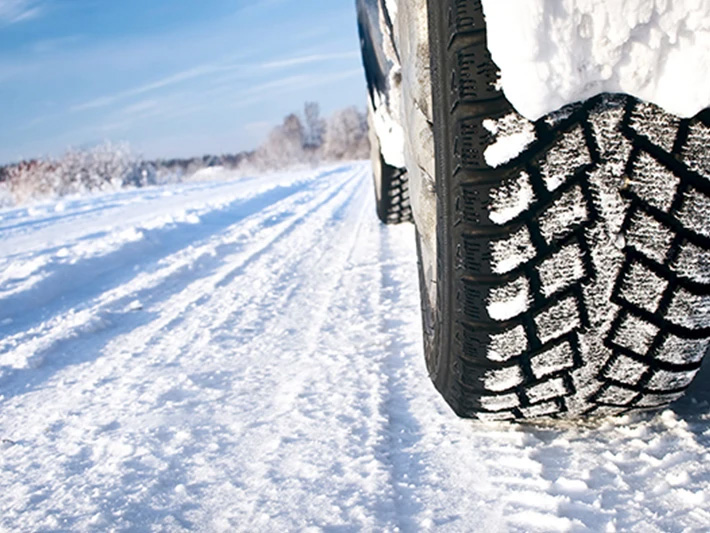
Should You Get New Tires For Winter?
Prepare for winter driving with tips on choosing between winter and all-season tires, checking tread depth, and safe driving habits in snow and ice!